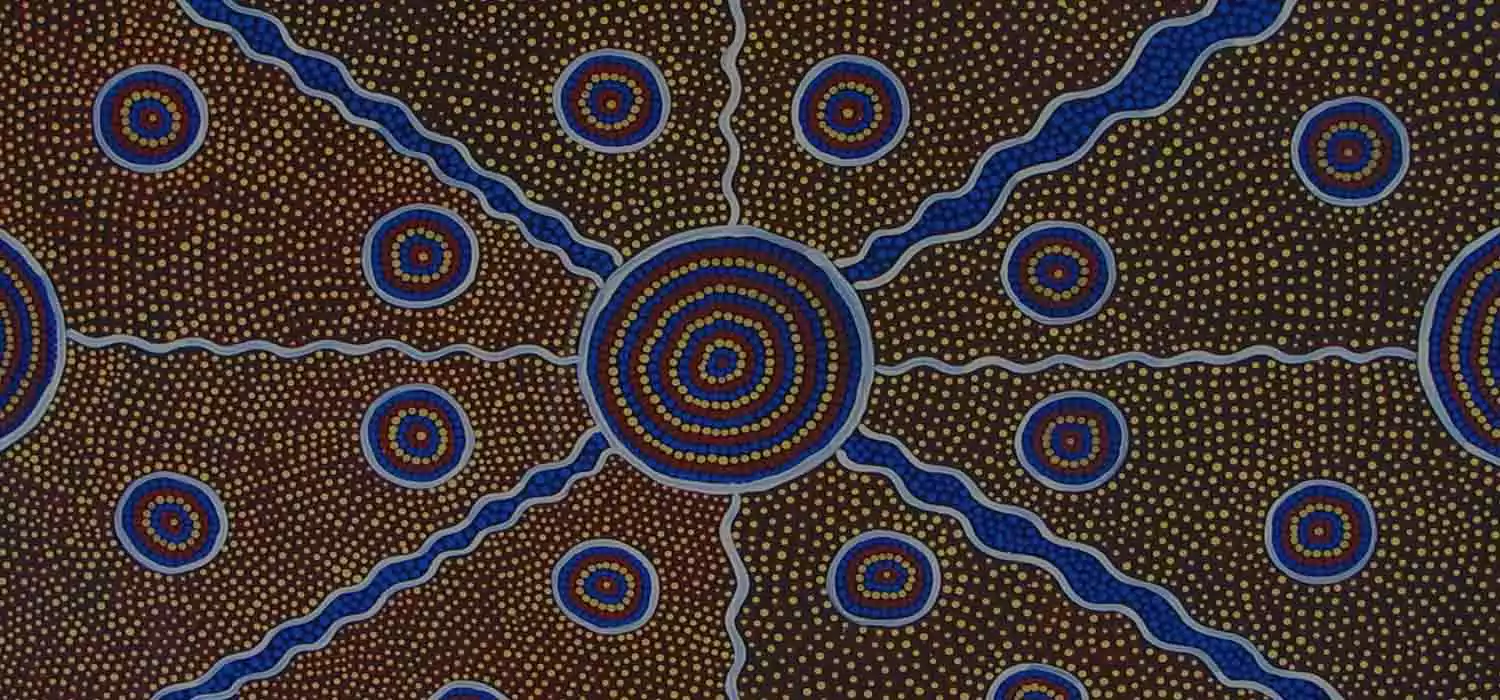
Since the festival started it is celebrated every year without fail for about two months. It starts the next of Sorry Day which is on 26th May and continues until the last day of National Aborigines and Islanders Day Observance Committee (NAIDOC) Week. There are several reasons why the festival is going strong and the love of people for it never fades.
The Guringai Festival is an important festival that emphasises our shared responsibility to look after the land, water and environment. The festival promotes sustainable living and profound respect for nature through a range of programmes of educational activities and community engagement. The celebration, founded on the cultural knowledge and ancestral wisdom of the Guringai people, challenges all participants to reconnect with their country and take conscious action to preserve it. By raising awareness and encouraging shared responsibility, the event creates a vision of peace among people and nature – for today and tomorrow.
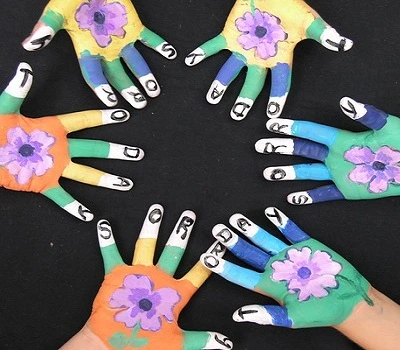
Every year from 27th May to 3rd June National Reconciliation Week is celebrated to celebrate the history and culture of First Nation people. Plus, people perform many discussions and activities during week for reconciliation plans. It is annually hosted by the Reconciliation Australia a non-profit organisation.
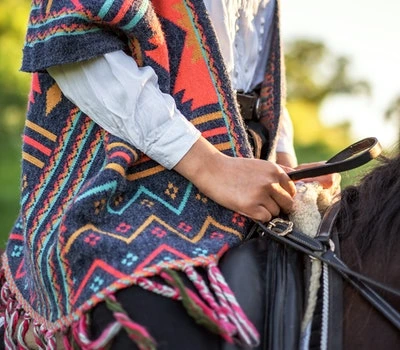
The first complete week of July is celebrated as National Aborigines and Islanders Day Observance Committee Week. In 1975, the week was celebrated for the first time and it has its roots in the 1938 Day of Mourning. The end of the week also marks the end of the Guringai Festival.
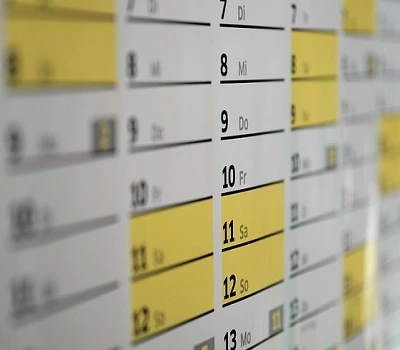
Every year the festival starts on 27th May on the first day of NRW, and ends around the second week of July which is also the last day of NAIDOC Week.

Timings of each event differ and the locations are different as well. To know the schedule, you can get details from the event organisers and visit accordingly.
Over the decades, the festival has become due to its vibrancy, participation of various communities and high entertainment.

Head of Events
Jon has over 15 years of experience of hosting major events like the Guringai Festival. He is the one who creates the plans and supervises every aspect of the festival.

Head of Events
Jon has over 15 years of experience of hosting major events like the Guringai Festival. He is the one who creates the plans and supervises every aspect of the festival.

Human Resource
Susanne is among the most polite and easy to connect with people in our team. He is responsible all team meetings and interactions.

Administrator
Franklin has been with us for 5 years now and he started as a trainee. Today, we takes care of all the necessary administrative work.
Over the years, there are several locations across Sydney, NSW where the Guringai Festivals’ events have happened. Here is list of some of the regions you can attend the events.
Get in touch with our team now and learn everything you need to know for attending the events or hosting events yourself!
Every year, as the vibrant celebrations of the Guringai Festival take place, it brings together people from all walks of…
Whether you have recently moved to the capital city of NSW or travelling for the first time in the summer…
Attending cultural festivals can be the perfect way to get a taste of culture without spending a lot of money.…